Hand Embroidery Services
Explore India's rich embroidery heritage. 17 traditional techniques, each mastered by skilled artisans carrying centuries of artistry and tradition.
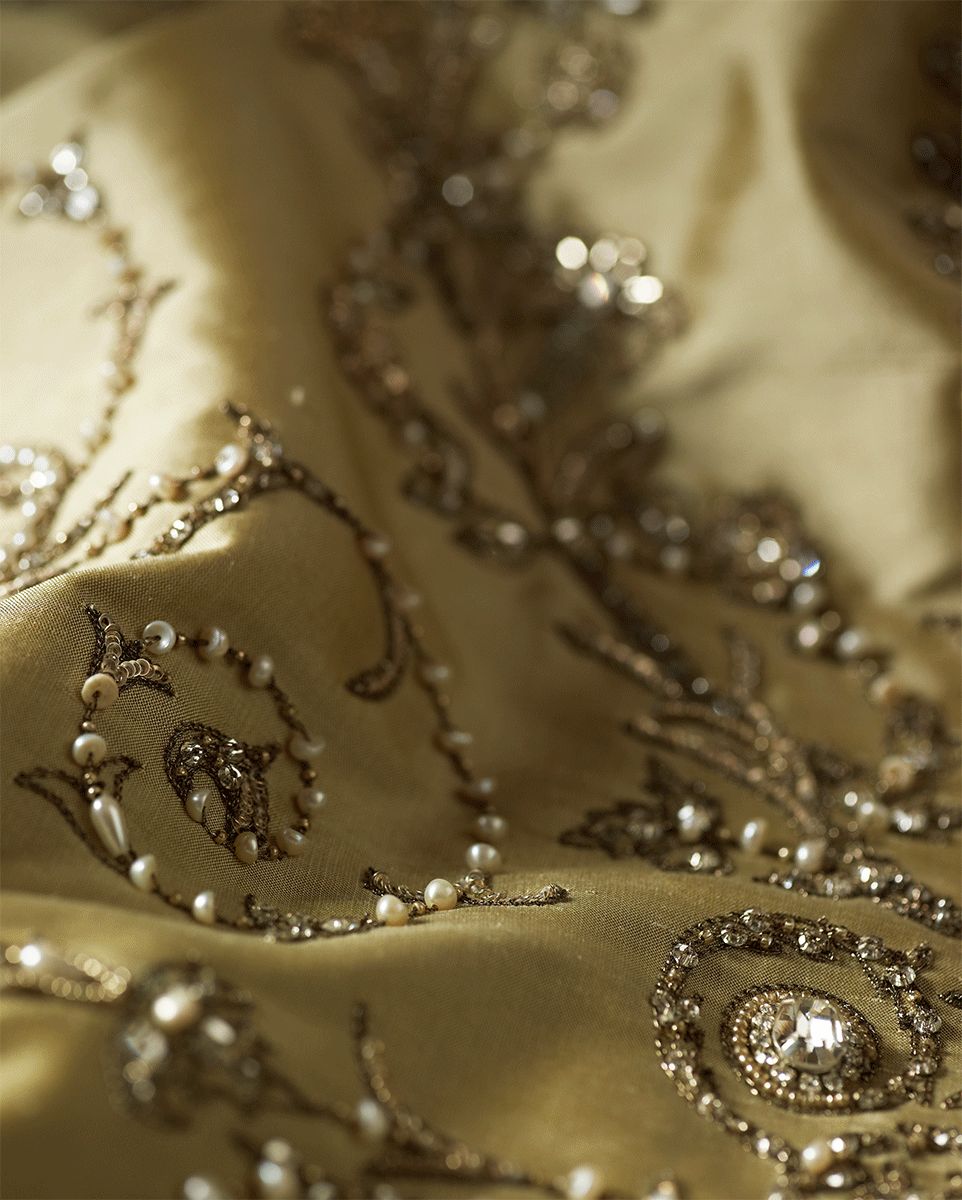
Aari Work
Kashmir & Gujarat, India
Aari embroidery uses a specialized hooked needle called 'aari' to create intricate chain stitches from below the fabric. This centuries-old technique allows artisans to create flowing, elaborate designs with remarkable speed and precision. The distinctive texture and depth achieved through Aari work makes it a favorite for both traditional and contemporary fashion.
Learn more about Aari Work →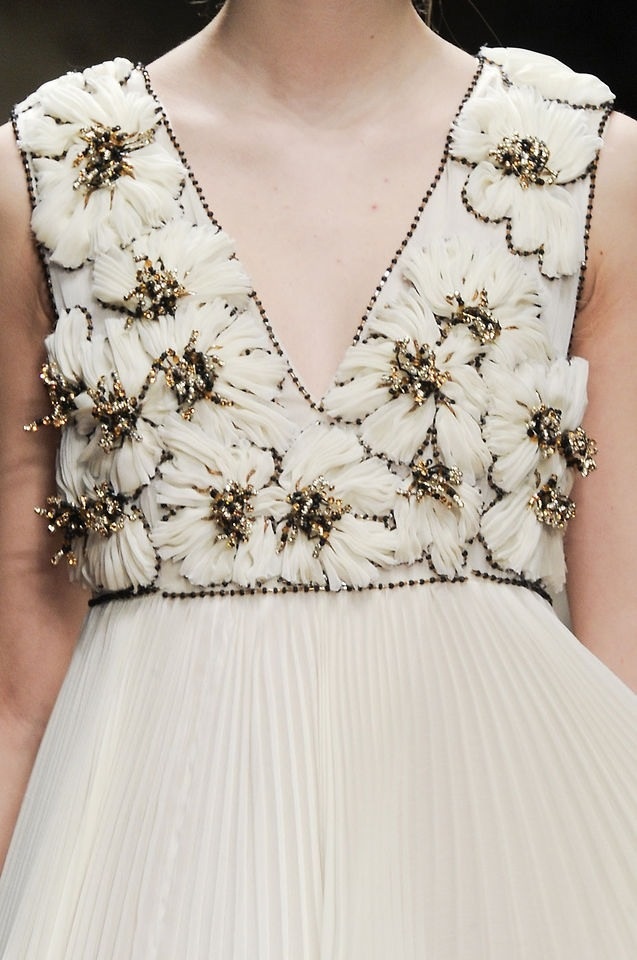
Appliqué Work
Odisha & Gujarat, India
Appliqué is the art of attaching pieces of fabric onto a larger piece to create decorative patterns and designs. This technique creates bold, graphic designs with layers of color and texture. Indian appliqué is known for its vibrant colors and intricate cutwork patterns.
Learn more about Appliqué Work →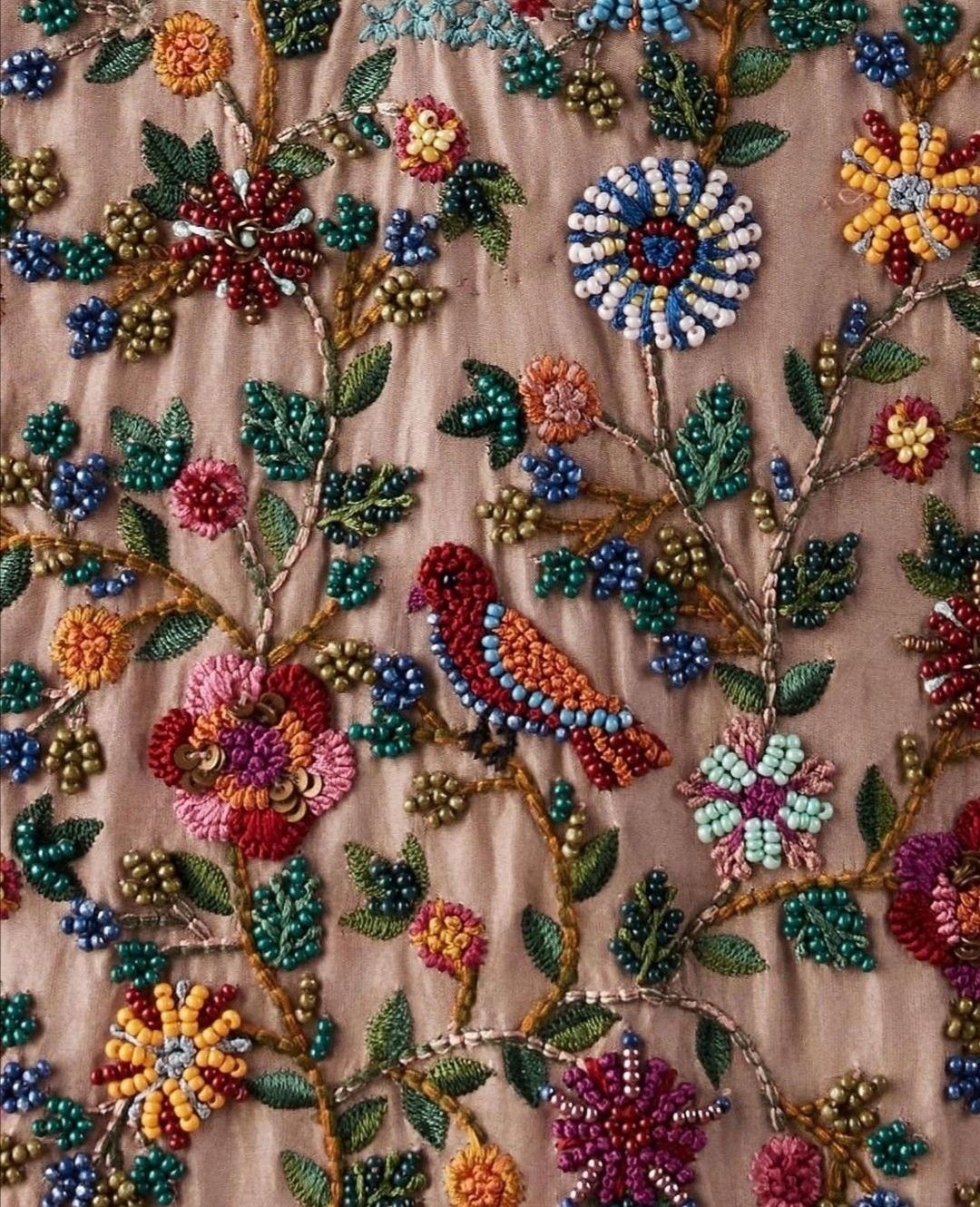
Beadwork
Pan-India
Beadwork embroidery involves stitching tiny beads onto fabric to create stunning patterns and textures. From subtle accents to full coverage designs, beadwork adds dimension, sparkle, and tactile interest to any garment. Our artisans work with glass, crystal, and specialty beads.
Learn more about Beadwork →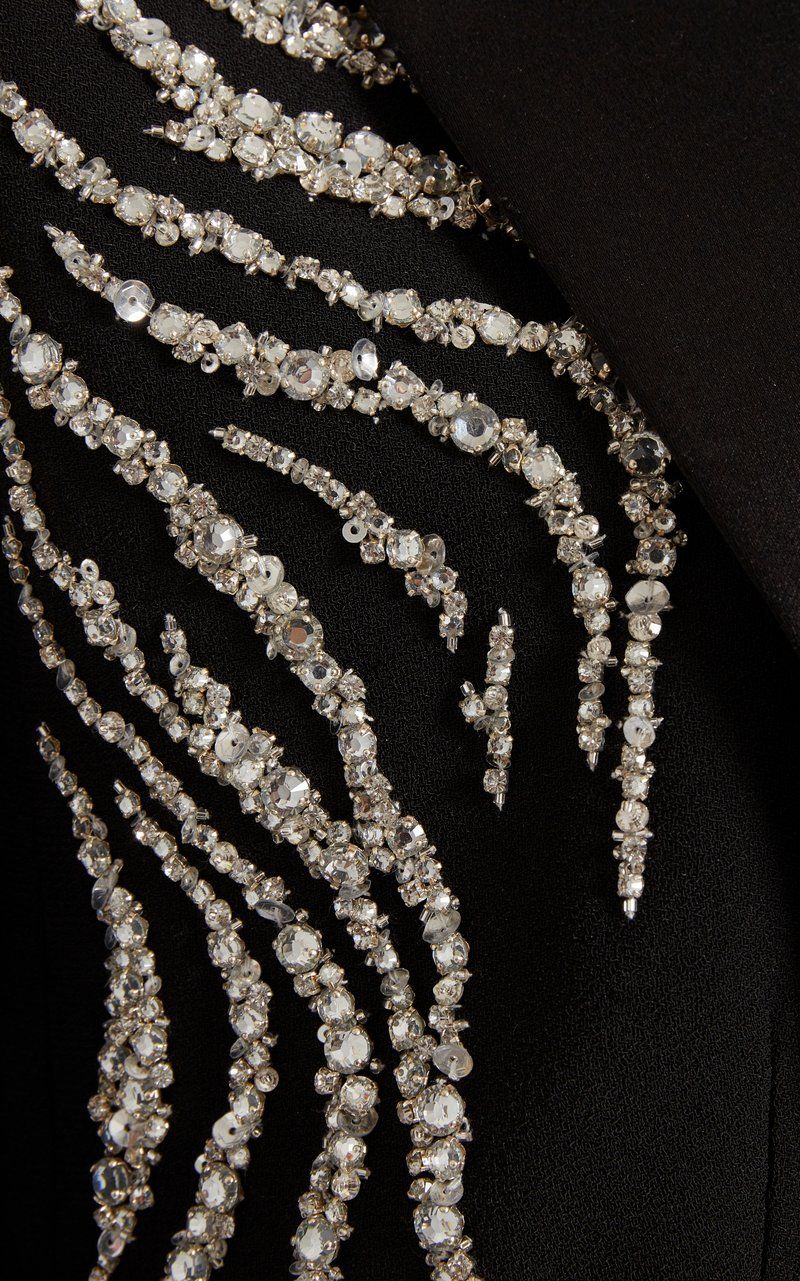
Crystal Work
Contemporary India
Crystal work involves the precise placement of high-quality crystals to create dazzling, light-catching designs. Using Swarovski and premium crystals, our artisans create pieces that shimmer and sparkle from every angle. Perfect for those who want to make a statement.
Learn more about Crystal Work →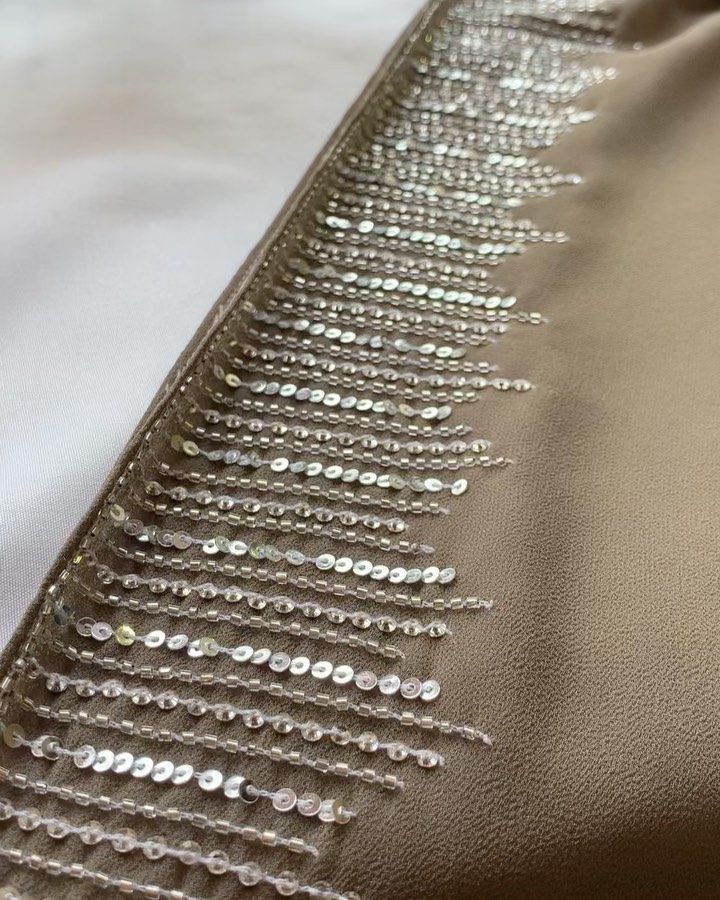
Cutdana Work
North India
Cutdana work uses faceted glass or crystal beads that have been precision-cut to create multiple reflecting surfaces. These beads catch and reflect light beautifully, adding sophisticated sparkle and dimension to embroidery without overwhelming the design.
Learn more about Cutdana Work →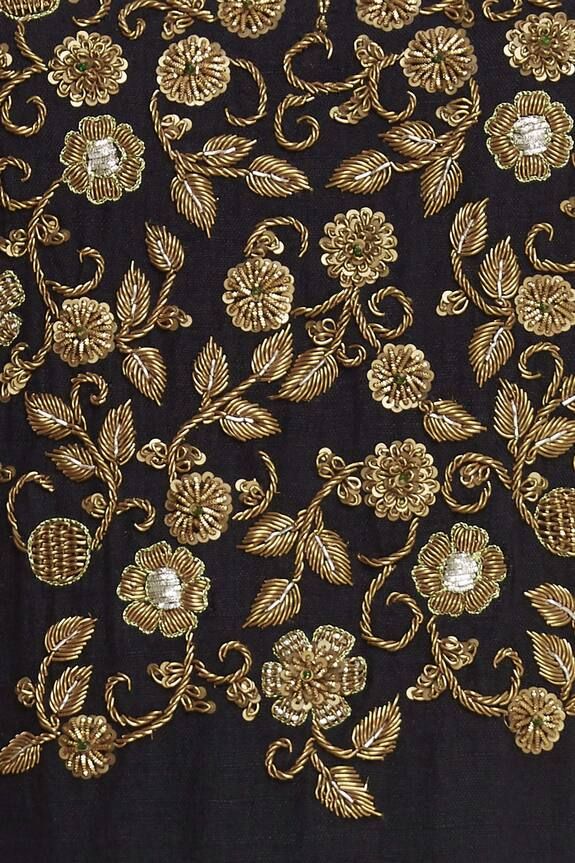
Dabka Work
Lucknow, India
Dabka work uses coiled metallic wire in gold or silver to create raised, three-dimensional embroidery. The spring-like wire is bent and stitched to form intricate patterns that add luxurious texture and dimension to fabric. It's essential for achieving that distinctive 'heavy' bridal look.
Learn more about Dabka Work →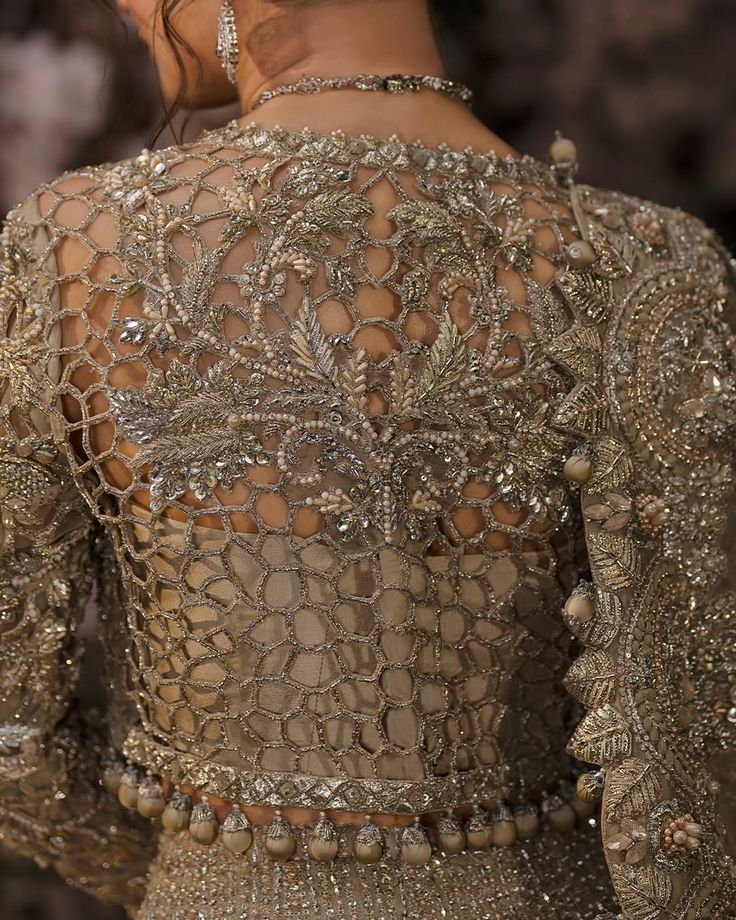
Jaal Work
Lucknow & Kashmir, India
Jaal work creates an all-over mesh or net-like pattern across the fabric, where intricate embroidery covers the entire surface in a continuous, interconnected design. This technique requires exceptional skill and patience to maintain consistency across large areas.
Learn more about Jaal Work →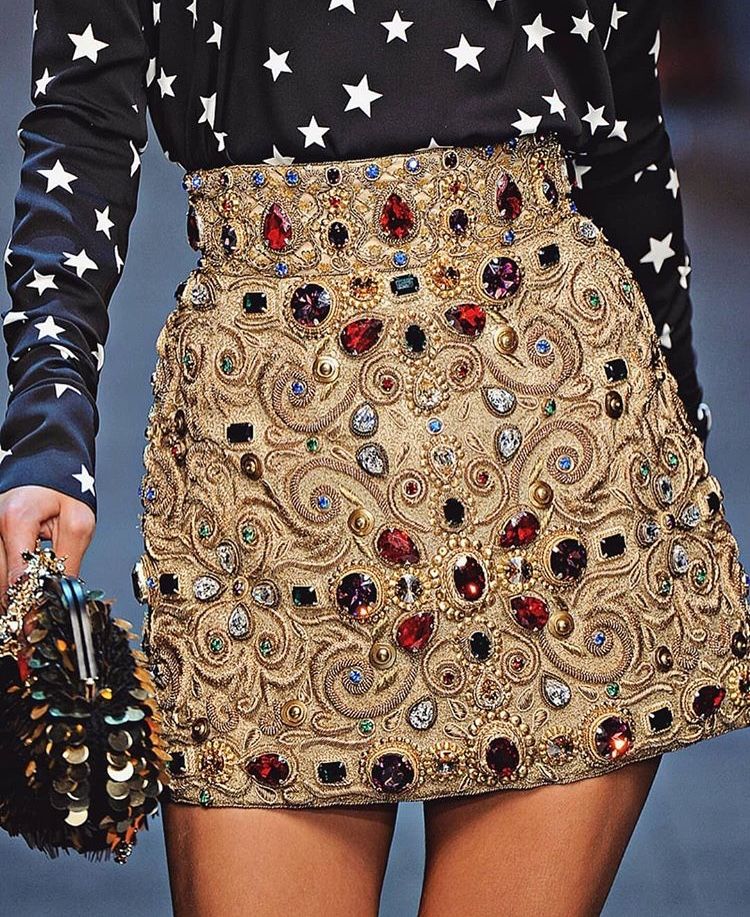
Jadau Work
Rajasthan & Gujarat, India
Jadau is the art of embedding precious and semi-precious stones into fabric or metalwork. In textile embroidery, it refers to techniques that mimic the kundan jewelry style, using foil backing and settings to secure stones onto fabric.
Learn more about Jadau Work →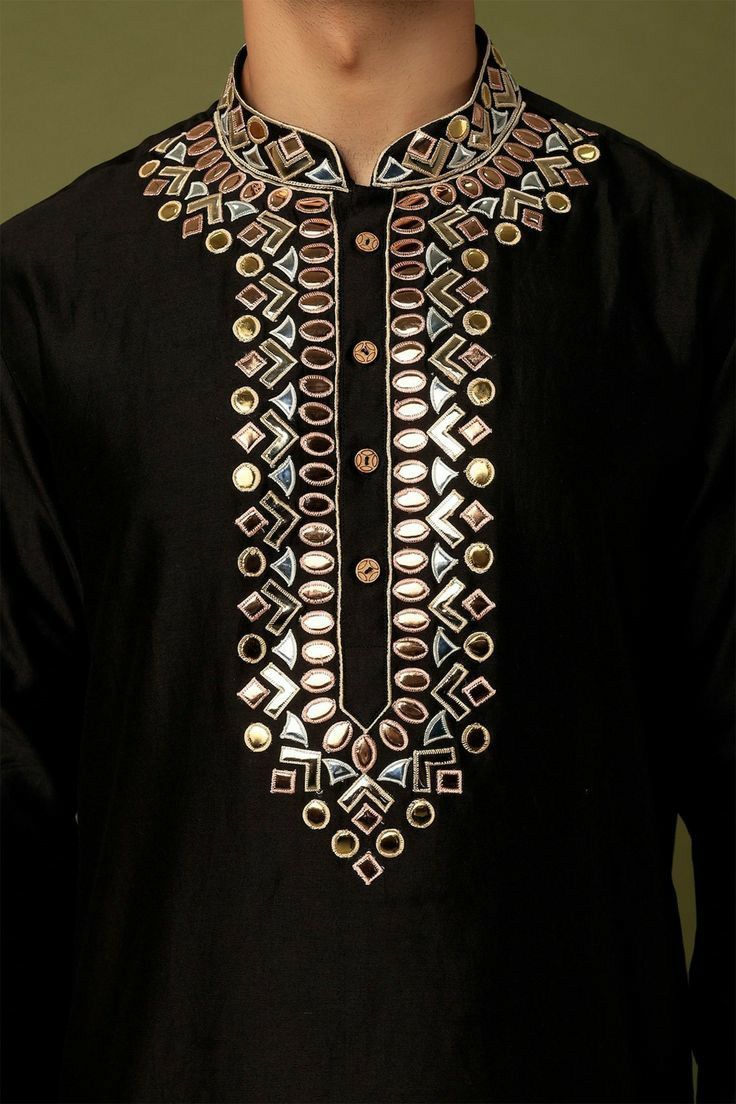
Leather Embroidery
Rajasthan, India
Leather embroidery combines traditional stitching techniques with leather materials to create unique, durable pieces. This specialized craft requires different tools and techniques adapted for working with leather's unique properties.
Learn more about Leather Embroidery →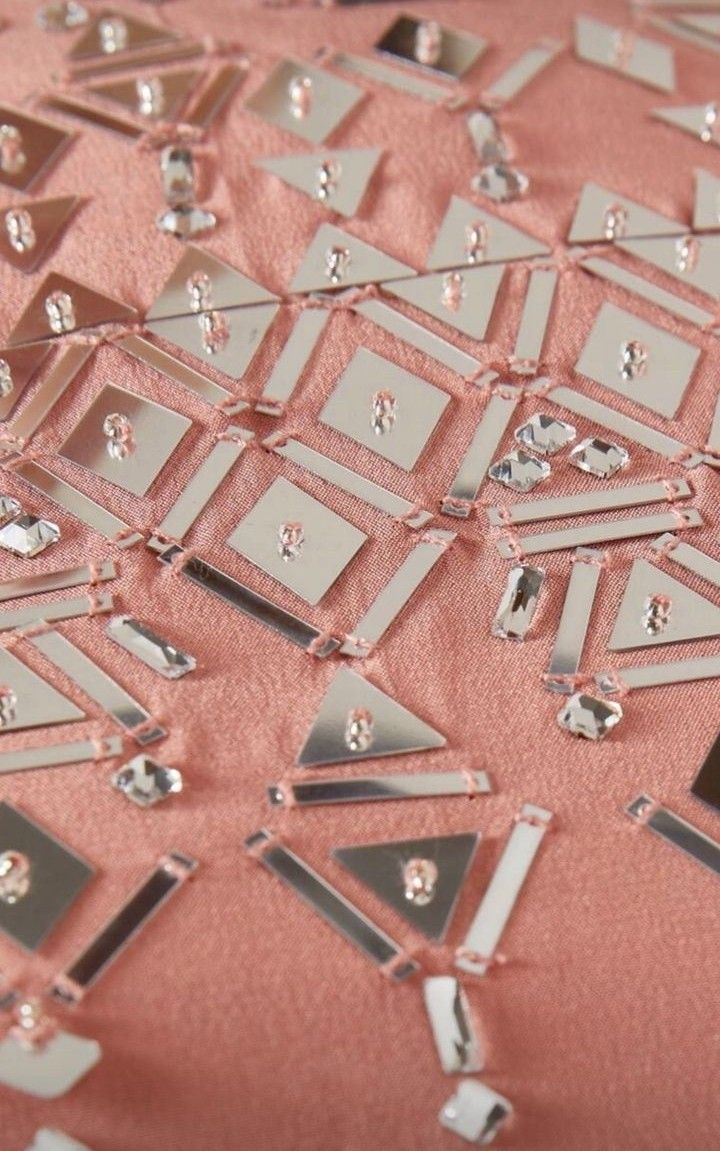
Mirror Work
Gujarat & Rajasthan, India
Mirror work (Shisha) involves attaching small mirrors to fabric using colorful threads, creating dazzling reflective patterns. This folk art originated in 17th century Gujarat and represents the vibrant spirit of Indian craftsmanship. Each mirror is hand-stitched with intricate thread work.
Learn more about Mirror Work →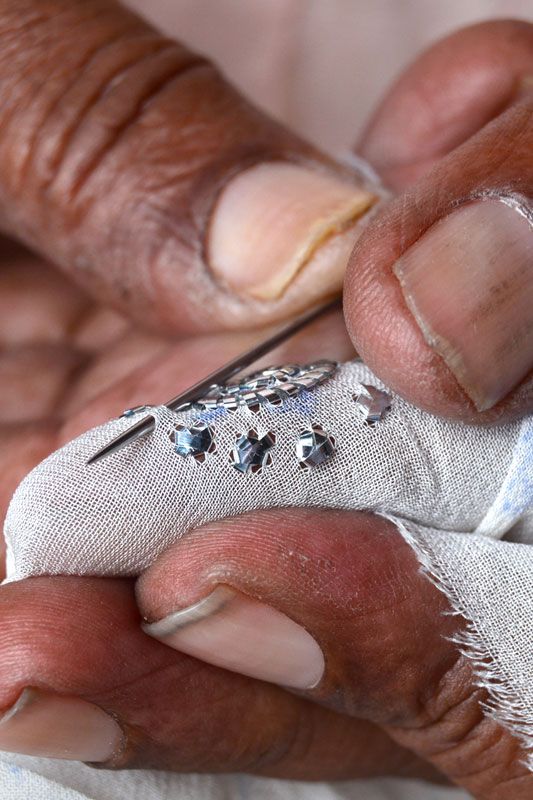
Mukaish Work
Lucknow, India
Mukaish involves flattening fine metal wires onto fabric to create delicate, shimmering patterns. Often combined with Chikankari, it adds subtle glamour without overwhelming the base embroidery. The technique creates a distinctive sparkle that's elegant rather than flashy.
Learn more about Mukaish Work →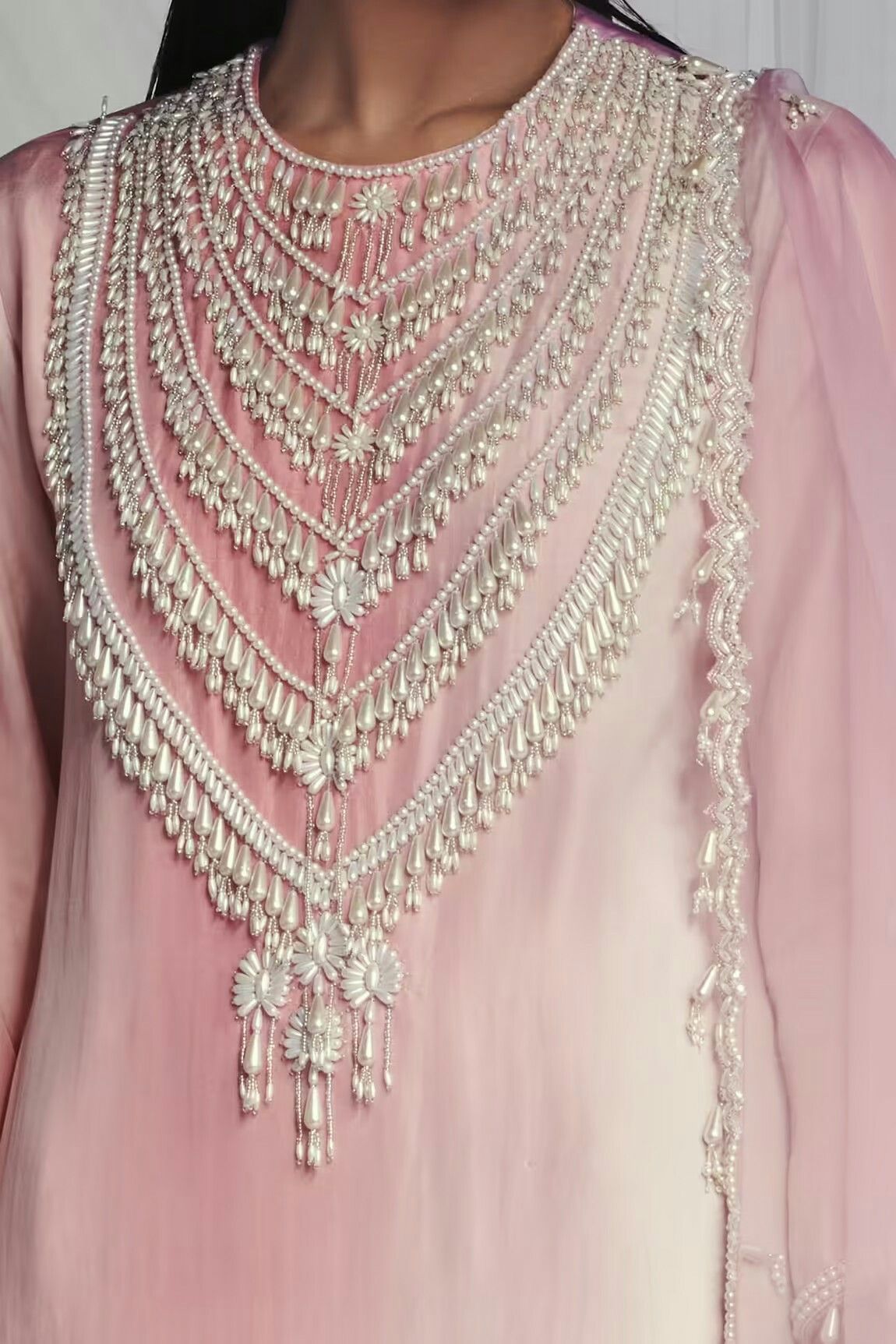
Pearl Work
Pan-India
Pearl embroidery uses genuine or artificial pearls to create elegant, sophisticated designs. From scattered accents to full pearl coverage, this work symbolizes luxury, grace, and timeless elegance. Our artisans work with various pearl sizes and qualities.
Learn more about Pearl Work →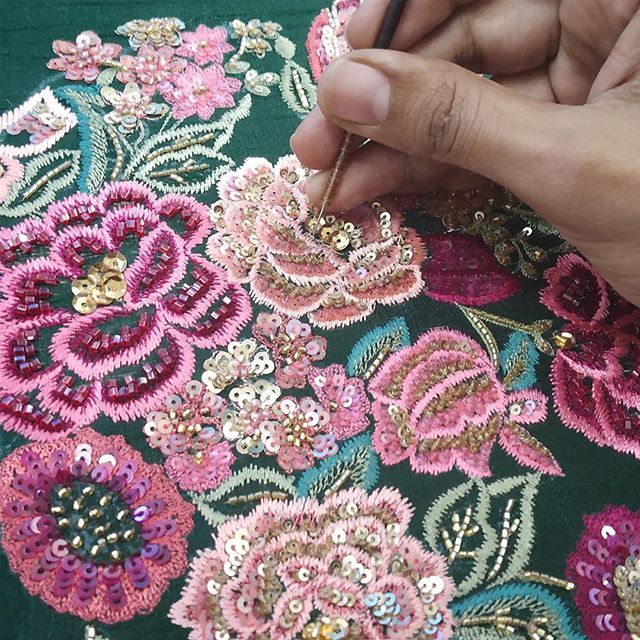
Resham Work
Pan-India
Resham (silk thread) embroidery creates lustrous, smooth surfaces with rich color depth. The natural sheen of silk threads adds elegance to any garment. Different regions have developed unique Resham styles, from Kashmiri Sozni to Punjabi Phulkari.
Learn more about Resham Work →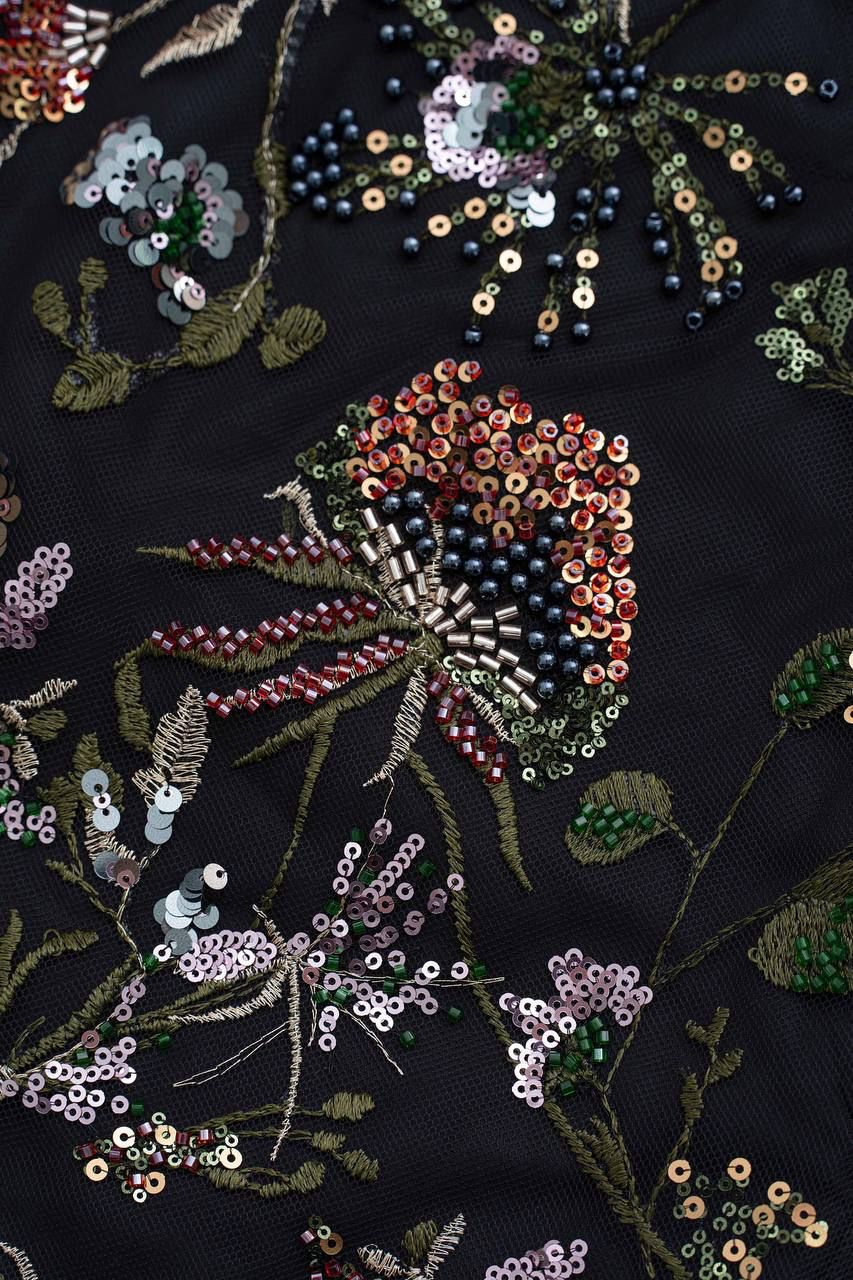
Sequin Work
Pan-India
Sequin embroidery involves attaching flat, shiny discs to fabric creating glamorous, light-catching designs. Modern sequin work combines traditional hand-stitching with contemporary patterns for maximum impact on the runway and at events.
Learn more about Sequin Work →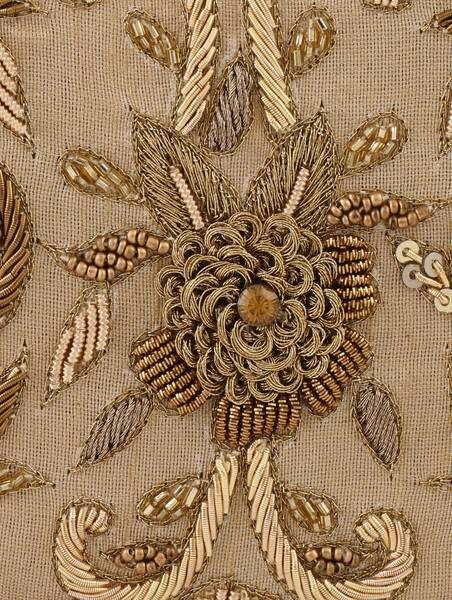
Tilla Work
Kashmir, India
Tilla embroidery uses gold or silver metallic thread to create stunning geometric and floral patterns. A signature of Kashmiri craftsmanship, Tilla work adorns wedding phirans, shawls, and ceremonial garments with regal elegance.
Learn more about Tilla Work →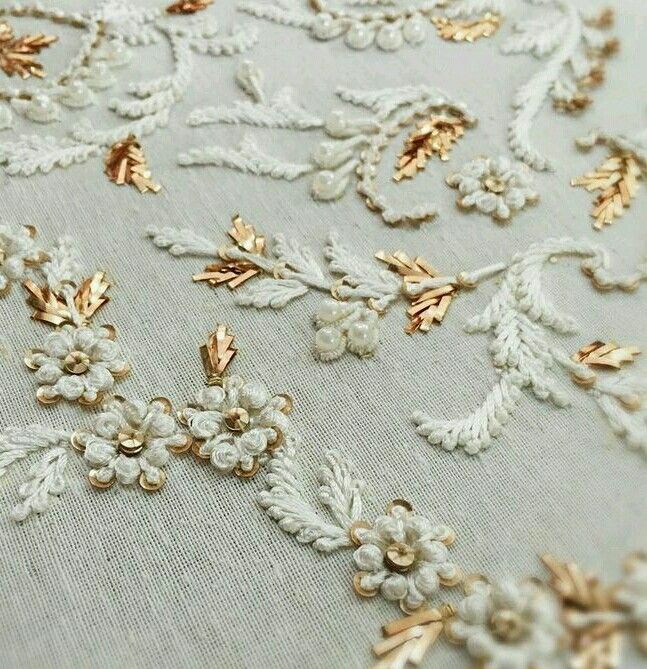
Zardozi Work
Lucknow & Delhi, India
The king of Indian embroidery. Zardozi uses gold and silver metallic threads (kalabattu) along with sequins, beads, and pearls to create opulent, three-dimensional designs. This technique transforms fabric into wearable art fit for royalty.
Learn more about Zardozi Work →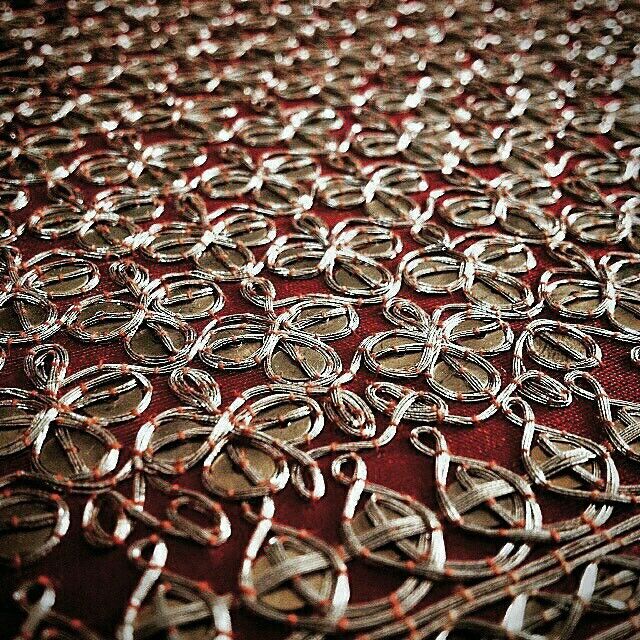
Gota Work
Rajasthan, India
Gota Patti work uses gold or silver ribbons appliquéd onto fabric in intricate patterns. This Rajasthani specialty creates stunning geometric and floral designs that shimmer and catch light beautifully. It's a staple of traditional Indian festive wear.
Learn more about Gota Work →Need a Custom Order?
Any embroidery, any design — our artisans can bring your vision to life. Share your requirements with us.